Business Name: BeeHive Assisted Living Homes of Rio Rancho NM #1 - Dementia Care & Memory Care
Address: 204 Silent Spring Rd NE, Rio Rancho, NM 87124
Phone: (505) 221-6400
BeeHive Assisted Living Homes of Rio Rancho NM #1 - Dementia Care & Memory Care
BeeHive Assisted Living Homes of Rio Rancho NM #1 - Dementia Care & Memory Care is a premier Rio Rancho Assisted Living facilities and the perfect transition from an independent living facility or environment. Our Alzheimer care in Rio Rancho, NM is designed to be smaller to create a more intimate atmosphere and to provide a family feel while our residents experience exceptional quality care. We promote memory care assisted living with caregivers who are here to help. Memory care assisted living is one of the most specialized types of senior living facilities you'll find. Dementia care assisted living in Rio Rancho NM offers catered memory care services, attention and medication management, often in a secure dementia assisted living in Rio Rancho or nursing home setting.
204 Silent Spring Rd NE, Rio Rancho, NM 87124
Business Hours
Monday thru Friday: 9:00am to 5:00pm
Facebook: https://www.facebook.com/BeeHiveHomesRioRancho
YouTube: https://www.youtube.com/@WelcomeHomeBeeHiveHomes
One of the most heartbreaking parts of dementia is not memory loss, however the stress and anxiety that frequently takes a trip with it. Households will tell you about a parent who paces for hours, asks the same concern every 5 minutes, or becomes frightened when relocated to a brand-new place. As cognitive maps fade, an individual leans harder on their surroundings for hints about what is safe, what recognizes, and who can be relied on.
That is why the physical and social environment of senior care matters just as much as medications and diagnoses. Over the last 20 years working around assisted living and dementia care communities, I have actually seen one pattern repeat itself: for many people with dementia, a smaller sized, quieter living setting can considerably decrease anxiety and agitation.
This is not a magic trick, and it does not work for every individual. But the size and design of a senior care environment shapes how the brain has to work to make it through the day. For a susceptible brain currently working at full capability just to analyze fundamental hints, a substantial building with lots of staff deals with and consistent sound can feel like an airport at rush hour. A smaller sized, more homelike setting feels closer to a quiet community street.
The details of size, staffing, and regular matter more than shiny sales brochures recommend. Let us take a look at why that is, and how households can use this understanding when weighing assisted living, memory care, and respite care options.
Why stress and anxiety is so typical in dementia
Anxiety in dementia is frequently referred to as "behavior problems" or "roaming" or "resistance to care." That language misses the experience from the inside. When you sit with people and really watch, you see fear and confusion more than defiance.
Several modifications in the brain add to that anxiety:
The initially is decreased capability to procedure complex environments. A healthy brain filters noise, sights, and movements, letting you concentrate on what matters. Dementia damages that filter. A busy dining-room that you or I would call "lively" can feel disorderly and threatening to somebody who can not make sense of the overlapping discussions, clattering dishes, and staff rushing in and out.
The second is impaired short-term memory. Think of waking up several times every day with no clear idea where you are, uncertain who just assisted you dress, or why there are strangers walking previous your door. Even if you are told, you may forget again in a few minutes. That recurring loss of orientation keeps the nerve system on high alert.
The 3rd is loss of familiar functions. A retired teacher who once managed a class, or a parent who ran a home, may now rely on others for the easiest jobs. Loss of autonomy feeds stress and anxiety and often anger. When the environment constantly strengthens that loss, stress rises.
None of this is the person's fault. It is a predictable result of brain modifications. Which also implies that the best environment can buffer those modifications instead of amplifying them.
How the care environment forms anxiety
Family members frequently focus on scientific offerings: "Does this assisted living community handle insulin?" or "Is this memory care system secured?" Those are necessary questions, but day to day emotional stability normally depends more on subtler ecological factors.
Three elements appear over and over in the citizens I have actually followed: the amount of stimulation, predictability of routine, and consistency of relationships.
Too much stimulus, specifically unpredictable sound and motion, is tiring for somebody with dementia. Long corridors filled with carts, tvs, overhead announcements, and echoing voices develop a continuous sense of "something occurring." The brain keeps orienting, scanning for threats, then losing track, then scanning again. People either closed down or end up being restless.
Predictable routine is another anchor. When breakfast is always in the exact same room, with the same location settings and roughly the exact same faces at the table, the brain can develop a convenient script: sit here, eat this, see that employee, then go back to my chair by the window. If the setting changes throughout the day, or staff are continuously redirecting residents to new wings or activity spaces, that vulnerable script falls apart.
Finally, relationships carry an individual more than any physical function. A resident who sees the very same 3 or 4 caregivers every day and discovers, even late in dementia, that "Maria is safe" or "Sam always brings my tea," will lean on that implicit memory even as names and dates disappear. In a big building with frequent staff turnover and rotating projects, that relational map never gets an opportunity to solidify.
Smaller senior care environments tilt these three factors in a calmer direction by design, even when nobody uses those technical terms.
What "smaller sized" in fact suggests in senior care
"Smaller sized" is a slippery word. Households in some cases assume it refers just to developing size or variety of houses. In practice, what matters is the variety of residents sharing a home, and the personnel team that supports them.
In standard assisted living, you may see 80 to 120 residents in one structure, all sharing one or two big dining rooms and activity areas. A memory care unit within that building may have 20 to 30 citizens behind a protected door. Staff normally turn amongst multiple wings or floors.
In contrast, smaller sized dementia care environments set less residents with a largely constant team in a plainly specified, homelike area. That can take several types:
Small group homes. These lawfully licensed homes may serve 6 to 12 residents, frequently in a home embedded in a residential community. Bed rooms are personal or semi-private, and common locations are merely a living-room, dining-room, cooking area, and yard. Personnel numbers are limited, so locals see the exact same caregivers daily.
Household design communities. Some larger senior care campuses adopt a household method, where the structure is divided into different smaller "houses" of 8 to 16 citizens. Each house has its own kitchen area, dining area, and constant personnel. Locals seldom cross into other homes, so their world stays sized to what their brain can manage.
Boutique memory care. A few stand-alone memory care neighborhoods deliberately top census at lower numbers, often 20 or less, and emphasize smaller sized shared areas rather than giant multipurpose spaces. They still appear like a center, but style and staffing lean toward intimacy instead of scale.
The core principle is not the square video footage, however the variety of faces, sounds, and areas an individual must track in order to feel oriented.
Why smaller environments can lower anxiety
Across numerous homeowners and households, particular advantages appear regularly when individuals with dementia move from a big, institutional setting into a smaller sized one. None of these are ensured, however they are common enough to guide choice making.
The first is more dependable orientation. In a 10 bed home, homeowners find out the design rapidly, even with moderate dementia. The bathroom is in one of 2 directions, the kitchen area smells like coffee every early morning, and you can see the front door from the living-room chair. Fewer choices mean less opportunity for confusion. People find their method without needing to keep in mind abstract room numbers or color coded wings.
The second is minimized sensory overload. Televisions are simpler to manage. Staff conversations stay at typical volume. There are no overhead pagers revealing medication passes or visitor arrivals. Dining is at a couple of tables, not a cafeteria. Corridors are much shorter, so individuals are less most likely to experience a rush of wheelchairs, delivery carts, and visitors at one time. This calmer backdrop lets the nervous system drop from "high alert" to something closer to baseline.
The 3rd is more powerful relational memory. When just a handful of caretakers come through the door each day, homeowners construct psychological familiarity with them, even if they can not mention their names. You will hear families say "Mom illuminate for Carla, you can just see her relax." That kind of micro trust is harder to build when personnel rotate through lots of citizens throughout several systems in a shift.
A fourth effect is less abrupt transitions. Large facilities sometimes move citizens around like puzzle pieces: today in activity room A, tomorrow in dining room B, a various lounge when a household is going to, another wing if staffing changes. Smaller sized settings tend to have one main living area, one dining space, and bed rooms just a few actions away. The resident's world is coherent and compressed.
All of this does not treat dementia. Individuals still ask repetitive questions or experience sundowning. What typically changes is the strength and frequency of distressed episodes. Families discover fewer emergency situation calls, less need for as needed anxiety medication, and more stretches of peaceful engagement.
When a bigger setting may be harder on anxiety
It is essential to acknowledge that not every big assisted living or memory care neighborhood develops anxiety, and not every small home is a sanctuary. Nevertheless, some particular functions of big scale senior care environments can be challenging for individuals with dementia.
Corridor design often works against orientation. A long, double loaded hallway with identical doors on both sides is effective for staffing, however ravaging for a disoriented resident. I have strolled those corridors with individuals who stop at each door, not sure whether it hides their own space, a bathroom, or a stranger. They either quit and retreat to the lobby, or they keep opening doors and disturbing other residents.
Centralized dining-room bring everybody together, which is fantastic for performance and social shows, but meals are amongst the most typical flashpoints for stress and anxiety. The noise of dozens of people, clatter of meals, personnel on a tight schedule, and competing smells can overwhelm the senses. Residents may stop eating, become upset, or try to flee.
Complex staffing patterns include another layer. Larger operations typically have more layers of management, float personnel, and firm employees. While that may support 24/7 protection, it likewise indicates homeowners see more unknown faces amongst the few they recognize. Operationally, it makes sense. Emotionally, it can seem like a turning cast of strangers.
Activity calendars in larger communities tend to be packed: bingo, exercise classes, entertainers, trips. Structured engagement can assist, but constant redirection from one thing to the next leaves some homeowners tired. They might appear "resistant" when asked to join since they are overwhelmed, not antisocial.
When assessing any senior care setting, it works to look past the marketing and count how many different rooms, faces, and transitions a resident need to navigate simply to make it through a regular day. If that count appears high, stress and anxiety threat is probably high too.
Real world examples of change
I think of a retired mechanic I will call Robert. He went into a large assisted living community after a hospitalization. He remained in early to mid stage dementia, still walking independently, but with word finding difficulty and lots of pacing. His child picked a big location partially since of the amenities: a bar, theater, multiple patio areas. Within weeks, staff reported that he roamed behind the reception desk, attempted to follow shipment drivers out the packing dock, and ended up being combative in the dining room. He ended up on three brand-new medications.
Six months later, after a fall, his care group recommended transfer to a 10 bed memory care home closer to his daughter. She was reluctant, thinking it looked too simple, "not enough going on." The very first week was rocky as Robert asked repeatedly where he was and "when do we go home." Caretakers addressed him, walked him through your home, and put his old toolbox on the little outdoor patio. By the 3rd week, he paced mostly in between his space, that patio, and the kitchen. He continued to ask repetitive questions, but reports of combative behavior dropped to near zero. His physician terminated among the anxiety medications and minimized the dosage of another.
Not every story is this tidy, and not all improvements hold permanently. Dementia continues its course. Yet I have seen adequate cases like Robert's to feel great telling families that environment is not a shallow choice. It belongs to the therapeutic plan.
How small is "small enough"?
Families often request for a number: "Is 20 locals a lot of? Is 8 the magic number?" The truthful answer is that there is no single cutoff. Other design and staffing aspects matter just as much as headcount.
When I visit a community, I take notice of how many locals share one living area, and how often that group modifications. A 24 resident memory care wing might operate like 2 separate houses of 12 each, with separate dining areas and consistent staff. That can feel rather intimate. On the other hand, a 12 individual home where personnel float often from another building, or where citizens are continuously collected into a bigger central space for activities, may feel larger than the census suggests.
A useful technique is to walk a typical daily path in your mind. For example, from bed to breakfast, to the bathroom, to a chair for early morning coffee, to lunch, to a peaceful nap, to afternoon engagement, then to dinner and night wind down. Count the number of different areas and staff faces your relative would experience. If each step adds a brand-new set of individuals and visual hints, the environment might be too complex for someone already overwhelmed.
Signs a smaller sized environment may help
Here is one of the 2 permitted lists.

Consider trying to find a smaller sized, more contained senior care setting if you discover several of the following in a current or proposed environment:
Your relative ends up being distressed or upset in large group settings, particularly in hectic dining-room or activity spaces. They often get lost in corridors or can not find their room or the bathroom without hands on help. Staff consistently report "exit looking for" habits, particularly heading towards stairwells, elevators, or loading docks after coming across hectic areas. Anxiety spikes at shift modifications, when numerous brand-new personnel deals with appear at once. Your relative calms noticeably when relocated to a quieter corner, smaller sized table, or more homelike room.These are not set rules, however they are great clues that an easier, smaller world may much better fit how the person's brain now operates.
How smaller settings intersect with different care types
Understanding how smaller environments suit different kinds of senior care assists you weigh choices realistically.
In assisted living, smaller sized environments are less common, but you may find "area" designs where 10 to 15 apartment or condos share a small dining room and lounge, somewhat separated from the remainder of the building. This can work well for older adults who are simply starting to reveal dementia but still have significant independence. The trade off is that medical support may be lighter than in specialized memory care.
Memory care settings are where smaller sized environments can shine. Stand alone memory care group homes and family design systems intentionally shape their areas to match what individuals with dementia can handle. Families ought to not assume that all memory care is little, though. Some centers are quite large, with 40 or more citizens in an open plan. Always walk the space yourself.
Respite care is a powerful tool when you are not sure what environment will work best. A a couple of week stay in a smaller sized group home or home model lets you observe how a loved one responds without making an irreversible move. I have seen households change course totally after a respite stay, in some cases choosing that the big, remarkable school they originally picked is not the best fit for this phase of dementia.
Across all kinds of senior care, view how the environment either reinforces or weakens the best efforts of caregivers. Even exceptional staff work uphill if the building continuously bombards homeowners with excessive sights and sounds.
Questions to ask when exploring smaller senior care homes
Here is the 2nd permitted list.

To judge whether a smaller sized assisted living or memory care home truly supports lower anxiety, ask focused, dementia care useful concerns such as:
How numerous residents share this living and dining area, and is that number steady or does it change often? How many different caretakers will my member of the family generally see in a day and over a week? When a resident is distressed or pacing, where can they go that is peaceful but still supervised and safe? Are meals and activities flexible enough to allow someone to step out if overwhelmed, without being left alone or forgotten? How do you support citizens who wander or "exit seek" without immediately resorting to medication or physical restraint?Listen not only to the content of the responses but also to how rapidly personnel grab relational solutions. If every response revolves around locks, alarms, and sedating medications, the environment might not be as therapeutic as its little size suggests.
Trade offs and restrictions of smaller sized environments
Smaller is not immediately much better. There are real trade offs that households need to weigh carefully.
Cost can be greater on a per resident basis, particularly in well staffed small homes with high personnel to resident ratios. Without economies of scale, they might charge more than large assisted living or memory care communities for comparable levels of hands on care. On the other side, some little board and care homes operate on extremely tight budgets, which can restrict activities, upkeep, or specialized staff training.
Medical complexity is another factor. An individual with advanced cardiac arrest, complex wound care, or regular health center stays may require the scientific infrastructure that larger centers or experienced nursing supply. A relaxing 8 bed home may handle regular dementia care magnificently however be overwhelmed when someone needs nighttime CPAP modifications, tube feeding, or regular lab draws.
Social requirements differ too. Not everyone longs for a quiet, slow paced setting. Some residents, particularly those with lifelong extroverted personalities, brighten in bigger areas with lots of people around. They still require structure, but too small an environment can feel suppressing or boring.
Regulatory oversight differs by state and region. Some little senior care homes are firmly managed and inspected, others run under looser guidelines compared to big licensed assisted living neighborhoods. Households ought to examine assessment reports, talk with regulators if possible, and not rely exclusively on appearances.
The objective is not to chase after an ideal, but to match the environment to the specific individual, including their medical requirements, character, history, finances, and phase of dementia.
Practical steps for households considering a smaller sized dementia care setting
If you believe that a smaller environment would help reduce your loved one's anxiety, start with observation. Spend time where they live now or in their existing routine. Notification when they appear most distressed. Track where they are, how many individuals are around, and what kind of sound and movement fill the area at that moment. Patterns usually emerge within a couple of days.
Next, tour a few various kinds of small settings. Stroll through at meal times and during shift changes, not simply during calm mid early morning hours. Sit quietly in the common area for a minimum of 20 minutes and envision your member of the family trying to follow what is taking place. Take note of your own body. If you feel overstimulated or confused by the comings and goings, it is unlikely your loved one will feel more settled.
Bring specific situations to staff, not simply basic questions. For example, "My mother tends to pace and request for her parents every evening around 5. How would that look here?" or "My father declines to enter crowded rooms. How would you get him to meals?" Staff who are comfortable and thoughtful in their responses tend to work in cultures that respect citizens' psychological realities.
Finally, bear in mind that any relocation is itself a significant stress factor. Stress and anxiety often increases for the very first week or 2 after relocation, no matter how restorative the brand-new environment. Offering familiar objects, regular reassuring visits, and consistent descriptions assists. Gradually, in a well matched little setting, that relocation anxiety must decrease instead of escalate.
A calmer world, not an ideal one
Anxiety in dementia will never disappear entirely. There will still be nights when your father insists he needs to go to work, or afternoons when your partner ends up being persuaded that somebody has taken her purse. A smaller senior care environment can not eliminate the brain modifications that sustain those fears.
What it can do is get rid of many of the unneeded stress factors that a big, intricate environment piles on. With less corridors to get lost in, less complete strangers to interpret, and fewer abrupt noises to process, the brain is not pressed rather so non-stop to the edge of its capacity.
When that fill lightens, something crucial emerges. People with dementia, even in moderate or later phases, often reveal more of their underlying personality in settings that feel safe and manageable. You capture glimpses of humor, tenderness, and long ingrained routines that stress and anxiety had actually buried. A former gardener sits happily near the yard flower beds of a small home. An instructor carefully fixes a caregiver's pronunciation. A parent when again connects to comfort a checking out child.
Those moments deserve a good deal. They do not just make caregiving much easier. They preserve self-respect, connection, and self in an illness that attempts to strip those away. For numerous families, selecting a smaller sized senior care environment is not about luxury or aesthetics. It is about giving their loved one the best possible chance to feel less scared worldwide they now inhabit.
BeeHive Assisted Living Homes of Rio Rancho NM #1 - Dementia Care & Memory Care provides assisted living care
BeeHive Assisted Living Homes of Rio Rancho NM #1 - Dementia Care & Memory Care provides memory care services
BeeHive Assisted Living Homes of Rio Rancho NM #1 - Dementia Care & Memory Care provides respite care services
BeeHive Assisted Living Homes of Rio Rancho NM #1 - Dementia Care & Memory Care supports assistance with bathing and grooming
BeeHive Assisted Living Homes of Rio Rancho NM #1 - Dementia Care & Memory Care offers private bedrooms with private bathrooms
BeeHive Assisted Living Homes of Rio Rancho NM #1 - Dementia Care & Memory Care provides medication monitoring and documentation
BeeHive Assisted Living Homes of Rio Rancho NM #1 - Dementia Care & Memory Care serves dietitian-approved meals
BeeHive Assisted Living Homes of Rio Rancho NM #1 - Dementia Care & Memory Care provides housekeeping services
BeeHive Assisted Living Homes of Rio Rancho NM #1 - Dementia Care & Memory Care provides laundry services
BeeHive Assisted Living Homes of Rio Rancho NM #1 - Dementia Care & Memory Care offers community dining and social engagement activities
BeeHive Assisted Living Homes of Rio Rancho NM #1 - Dementia Care & Memory Care features life enrichment activities
BeeHive Assisted Living Homes of Rio Rancho NM #1 - Dementia Care & Memory Care supports personal care assistance during meals and daily routines
BeeHive Assisted Living Homes of Rio Rancho NM #1 - Dementia Care & Memory Care promotes frequent physical and mental exercise opportunities
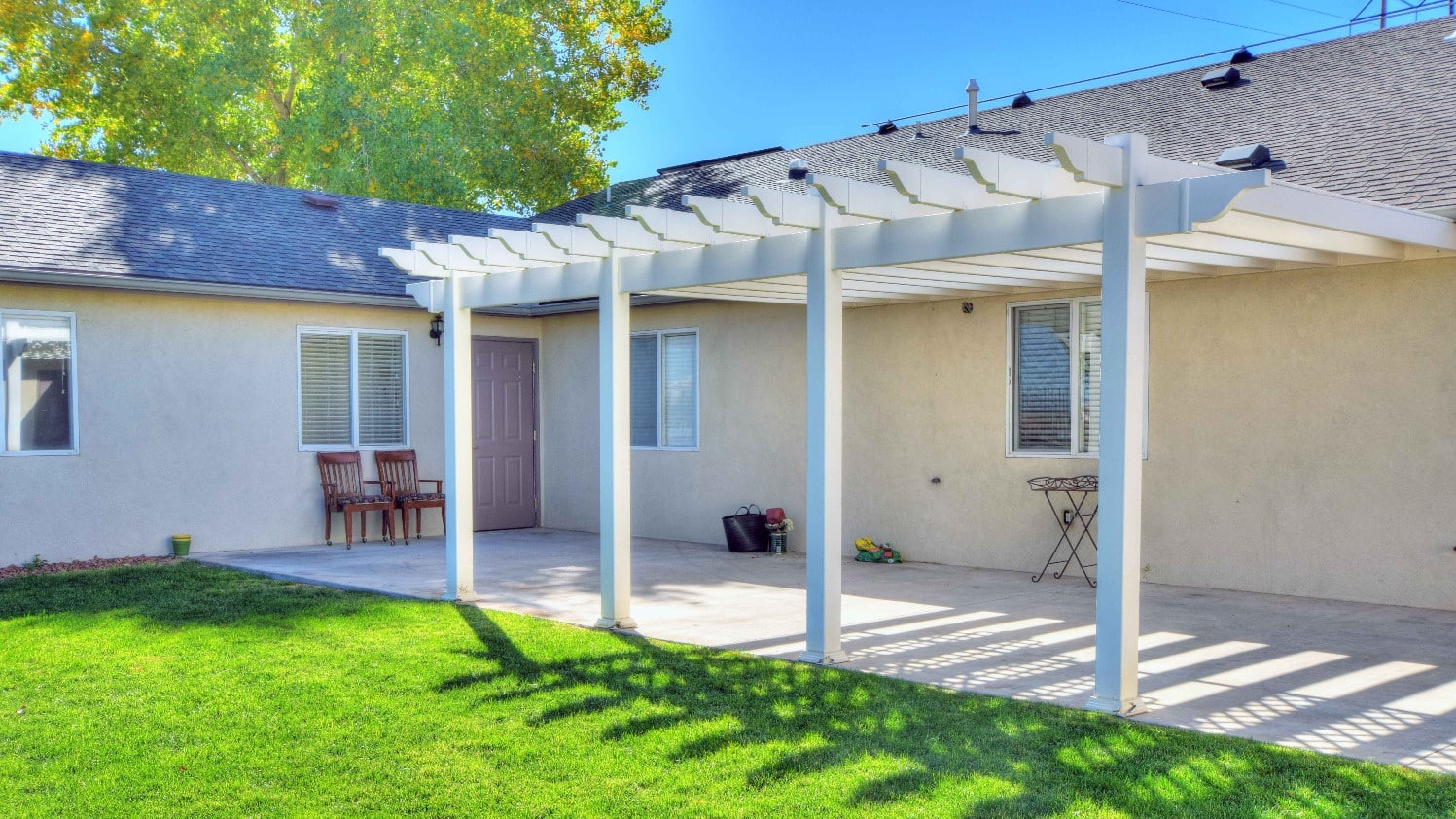
BeeHive Assisted Living Homes of Rio Rancho NM #1 - Dementia Care & Memory Care provides a home-like residential environment
BeeHive Assisted Living Homes of Rio Rancho NM #1 - Dementia Care & Memory Care creates customized care plans as residents’ needs change
BeeHive Assisted Living Homes of Rio Rancho NM #1 - Dementia Care & Memory Care assesses individual resident care needs
BeeHive Assisted Living Homes of Rio Rancho NM #1 - Dementia Care & Memory Care accepts private pay and long-term care insurance
BeeHive Assisted Living Homes of Rio Rancho NM #1 - Dementia Care & Memory Care assists qualified veterans with Aid and Attendance benefits
BeeHive Assisted Living Homes of Rio Rancho NM #1 - Dementia Care & Memory Care encourages meaningful resident-to-staff relationships
BeeHive Assisted Living Homes of Rio Rancho NM #1 - Dementia Care & Memory Care delivers compassionate, attentive senior care focused on dignity and comfort
BeeHive Assisted Living Homes of Rio Rancho NM #1 - Dementia Care & Memory Care has a phone number of (505) 221-6400
BeeHive Assisted Living Homes of Rio Rancho NM #1 - Dementia Care & Memory Care has an address of 204 Silent Spring Rd NE, Rio Rancho, NM 87124
BeeHive Assisted Living Homes of Rio Rancho NM #1 - Dementia Care & Memory Care has a website https://beehivehomes.com/locations/rio-rancho/
BeeHive Assisted Living Homes of Rio Rancho NM #1 - Dementia Care & Memory Care has Google Maps listing https://maps.app.goo.gl/FhSFajkWCGmtFcR77
BeeHive Assisted Living Homes of Rio Rancho NM #1 - Dementia Care & Memory Care has Facebook page https://www.facebook.com/BeeHiveHomesRioRancho
BeeHive Assisted Living Homes of Rio Rancho NM #1 - Dementia Care & Memory Care has a YouTube Channel at https://www.youtube.com/@WelcomeHomeBeeHiveHomes
BeeHive Assisted Living Homes of Rio Rancho NM #1 - Dementia Care & Memory Care won Top Memory Care Homes 2025
BeeHive Assisted Living Homes of Rio Rancho NM #1 - Dementia Care & Memory Care earned Best Customer Service Award 2024
BeeHive Assisted Living Homes of Rio Rancho NM #1 - Dementia Care & Memory Care placed 1st for Assisted Living Communities 2025
People Also Ask about BeeHive Assisted Living Homes of Rio Rancho NM #1 - Dementia Care & Memory Care
What is BeeHive Homes of Rio Rancho Living monthly room rate?
The rate depends on the level of care that is needed (see Pricing Guide above). We do a pre-admission evaluation for each resident to determine the level of care needed. The monthly rate is based on this evaluation. There are no hidden costs or fees
Can residents stay in BeeHive Homes of Rio Rancho until the end of their life?
Usually yes. There are exceptions, such as when there are safety issues with the resident, or they need 24 hour skilled nursing services
Does BeeHive Homes of Rio Rancho have a nurse on staff?
No, but each BeeHive Home has a consulting Nurse available 24 – 7. if nursing services are needed, a doctor can order home health to come into the home
What are BeeHive Homes of Rio Rancho visiting hours?
Visiting hours are adjusted to accommodate the families and the resident’s needs… just not too early or too late
Do we have couple’s rooms available?
Yes, each home has rooms designed to accommodate couples. Please ask about the availability of these rooms
Where is BeeHive Homes of Rio Rancho located?
BeeHive Homes of Rio Rancho is conveniently located at 204 Silent Spring Rd NE, Rio Rancho, NM 87124. You can easily find directions on Google Maps or call at (505) 221-6400 Monday through Friday 9:00am to 5:00pm
How can I contact BeeHive Homes of Rio Rancho?
You can contact BeeHive Assisted Living Homes of Rio Rancho NM #1 - Dementia Care & Memory Care by phone at: (505) 221-6400, visit their website at https://beehivehomes.com/locations/rio-rancho, or connect on social media via Facebook or YouTube
Visiting the Haynes Community Center and Park provides a quiet neighborhood setting where seniors in assisted living and memory care can relax outdoors during senior care and respite care visits.